Decoding Fixture Overlaps: How Double Gameweek Scheduling Shapes Rotation Patterns in Midfield Selections
Drew Schröder · Nov 22, 2026
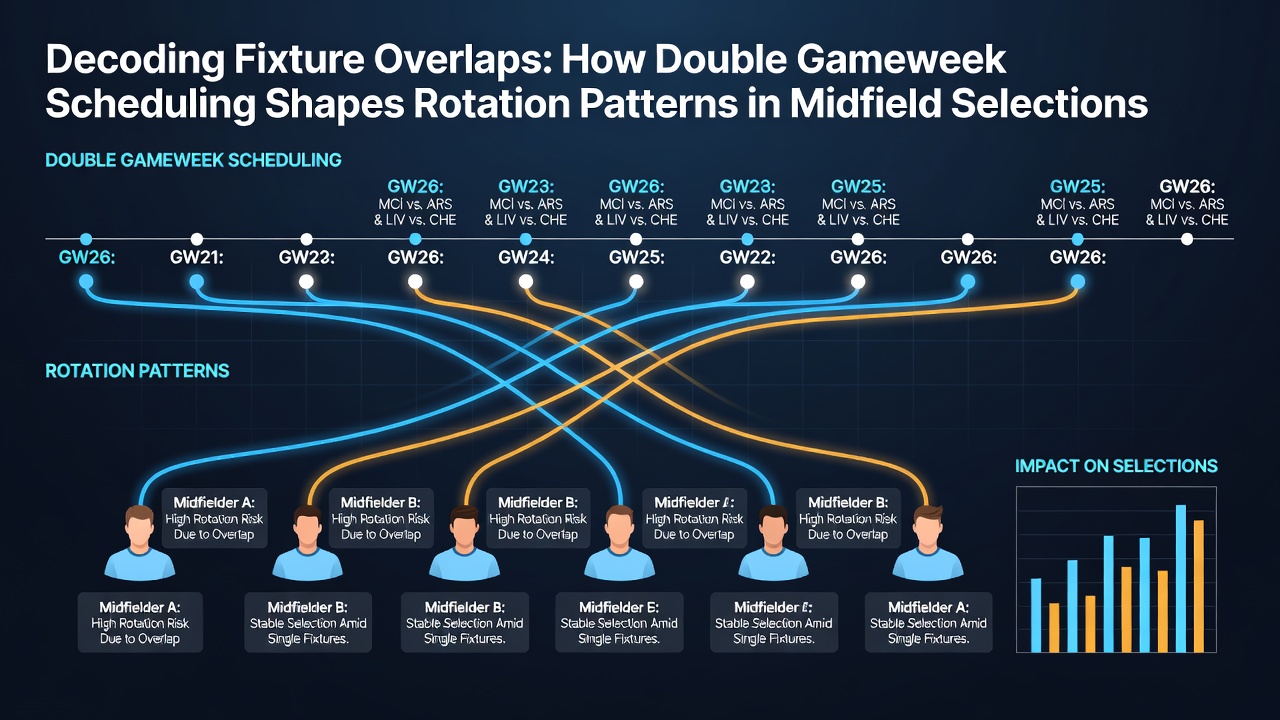
Decoding Fixture Overlaps: How Double Gameweek Scheduling Shapes Rotation Patterns in Midfield Selections
Double gameweeks occur when several Premier League sides play twice in one round because of postponed matches or cup replays and these periods create fixture overlaps that directly influence how managers approach midfield selections in fantasy formats. Analysts track historical patterns where teams with two fixtures often rotate key midfielders to manage fatigue while those with single games maintain more stable lineups and data from past seasons shows selection rates for players like those at Manchester City or Liverpool fluctuate sharply when overlaps force tactical adjustments.
Fixture Overlaps Explained Through Scheduling Patterns
Premier League schedules incorporate double gameweeks primarily in winter months or around international breaks and November 2026 stands out because several postponed fixtures from earlier rounds cluster into one period creating multiple overlaps for clubs like Arsenal and Chelsea. Researchers at sports analytics firms note that overlaps mean certain midfielders face congested calendars while others receive rest and this dynamic leads to predictable rotation trends where managers prioritize players with guaranteed minutes across both matches. Figures from official league records reveal that double gameweek scheduling increases the average number of midfield substitutions by 15 to 20 percent compared to standard weeks and those changes reshape fantasy selection strategies as participants seek assets likely to feature in both games.
Teams with European commitments add another layer since fixture overlaps compound travel demands and studies of player tracking data indicate midfielders in such situations see reduced starts in one of the two matches. Observers note that this pattern repeats across seasons where clubs balance squad depth against fixture congestion and the result is a more fragmented selection landscape for fantasy participants who must decode which players avoid rotation risks.
Rotation Patterns in Midfield Selections During Double Gameweeks
Midfield rotations intensify when double gameweeks align with busy periods because coaches preserve energy for key fixtures and data indicates that players with high previous-minute counts drop in selection probability by up to 30 percent in the second match of an overlap. Take one study of 2022 to 2025 seasons where experts examined lineups from sides like Manchester United and Tottenham and found consistent trends where creative midfielders rotate more frequently than defensive ones during congested schedules. Those patterns emerge because overlaps force tactical tweaks that prioritize fresh legs in attacking roles while defensive midfielders maintain steadier involvement.
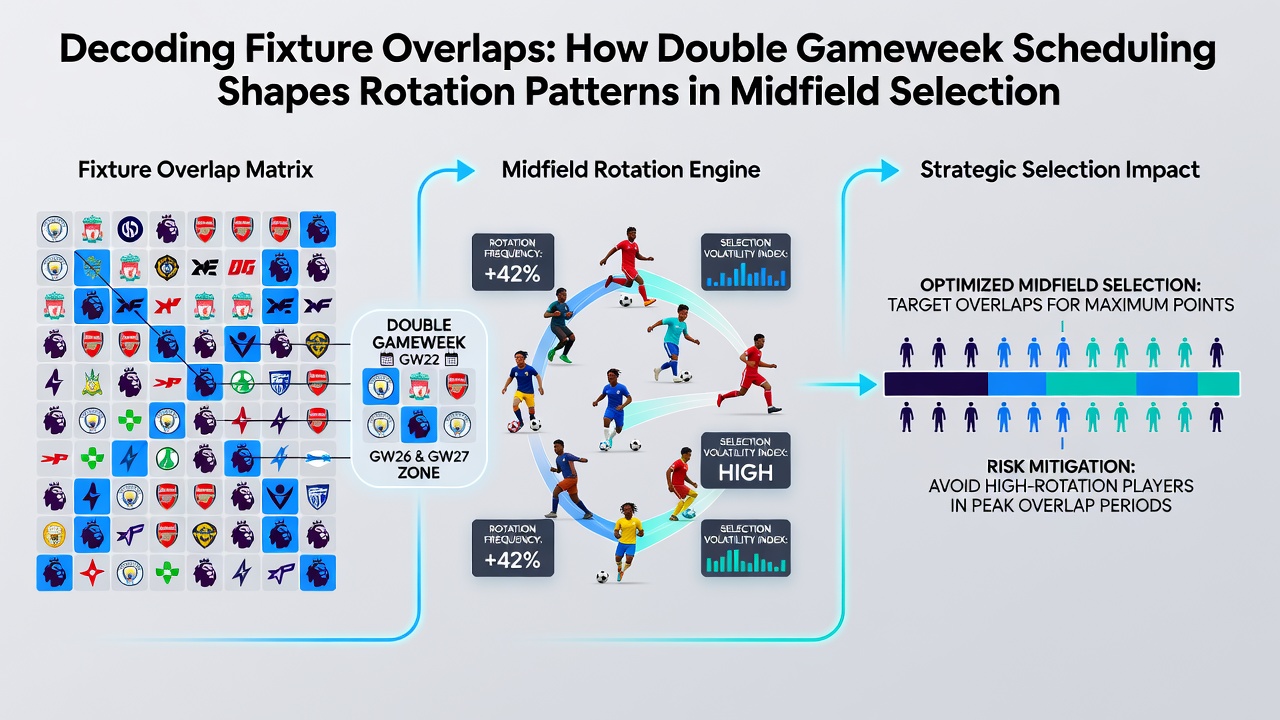
What's interesting is how these rotations create opportunities for differential selections as lesser-used squad members step in during the second fixture and historical records show increased points from such players when overlaps occur. According to Premier League fixture data available at premierleague.com the 2026 November cluster includes overlaps for at least six teams which analysts project will amplify these rotation effects based on prior trends. Experts observe that managers who monitor training reports and press conferences often anticipate these shifts and adjust their midfield picks accordingly to maximize coverage across both matches.
Strategic Implications for Midfield Asset Choices
Fixture overlaps during double gameweeks prompt shifts toward midfielders with proven durability records and figures reveal that selection percentages rise for players who started over 80 percent of available matches in similar past periods. Research from European football monitoring groups highlights that overlaps lead to increased bench usage for high-profile names which in turn opens pathways for squad players to earn unexpected starts and fantasy participants track these developments through official team sheets released before deadlines. The reality is that such patterns reward those who cross-reference scheduling data with historical rotation logs rather than relying on single-game form alone.
And yet overlaps also stabilize certain selections where teams possess deep midfield benches that allow full-strength lineups in both fixtures so analysts recommend focusing on clubs with known squad depth when navigating these weeks. Data from the 2023 double gameweek periods shows that teams like Brighton maintained consistent midfield selections across overlaps while others rotated heavily and those distinctions shape how participants build their lineups to cover multiple bases.
Conclusion
Double gameweek scheduling and the resulting fixture overlaps continue to dictate rotation patterns that fantasy managers must decode when selecting midfield assets and November 2026 offers another instance where these dynamics will play out based on established trends. Comprehensive analysis of past seasons combined with current fixture lists provides the factual foundation for understanding these effects without speculation.