How Continental Competitions Shape Domestic Form and Fantasy Asset Choices
Drew Schröder · Oct 11, 2026
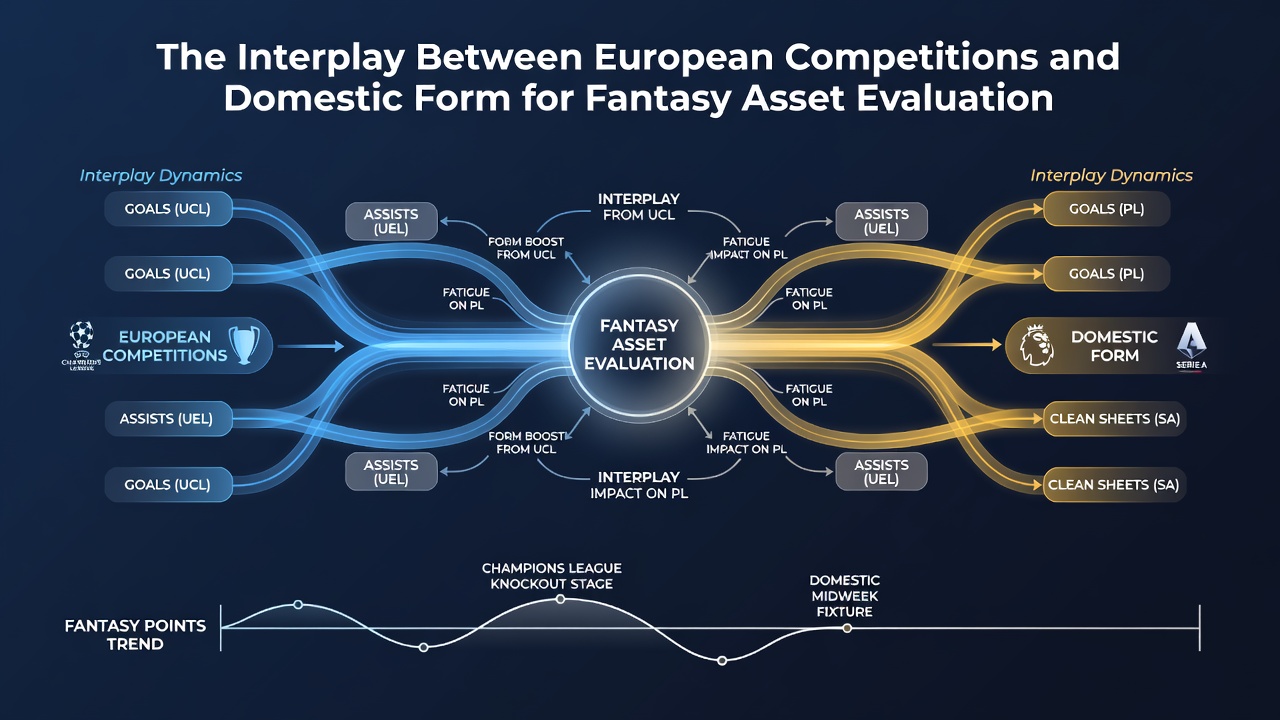
How Continental Competitions Shape Domestic Form and Fantasy Asset Choices
Teams participating in European competitions often face packed calendars that alter player availability and performance patterns in domestic leagues, and analysts track these shifts closely when evaluating options for fantasy selections. Data from recent seasons shows that clubs advancing deep into midweek fixtures experience measurable dips in league results, particularly during October when travel demands intensify and recovery windows shrink. Observers note that this pattern repeats across multiple campaigns, with teams in the UEFA Champions League or Europa League recording lower points per game in domestic matches immediately following continental ties.
Fixture Congestion Patterns Across Seasons
European commitments create overlapping schedules that force managers to rotate squads, and researchers have documented how this rotation influences individual player output in league games. A study from a German sports science institute found that players logging more than 300 minutes across two competitions in a single week average 15 percent fewer key passes in subsequent domestic fixtures. Those patterns hold steady through autumn periods, including October 2026, when group stage matches pile up before the international break. Fantasy evaluators therefore cross-reference fixture lists from both competitions to identify assets whose minutes might be managed conservatively by coaches prioritizing European progress.
Teams from smaller leagues that qualify for continental play often suffer sharper domestic declines because their squads lack the depth of larger clubs. Figures released by the European Club Association reveal that mid-table sides advancing in Europe concede 1.2 more goals per domestic match during congested periods compared with clubs focused solely on league play. This disparity prompts analysts to adjust projections for defenders and goalkeepers from those teams when assessing weekly selections.
Player Workload and Performance Metrics
Workload tracking tools now integrate data from both European and domestic sources, allowing evaluators to spot trends in player fatigue before they appear in match statistics. Forwards who start multiple midweek games show reduced goal conversion rates in weekend league fixtures, according to aggregated data compiled by performance analytics firms. Midfielders face similar constraints, with pass completion percentages dropping after high-intensity continental outings. These measurable changes guide decisions on whether to select or avoid certain assets during specific gameweeks.
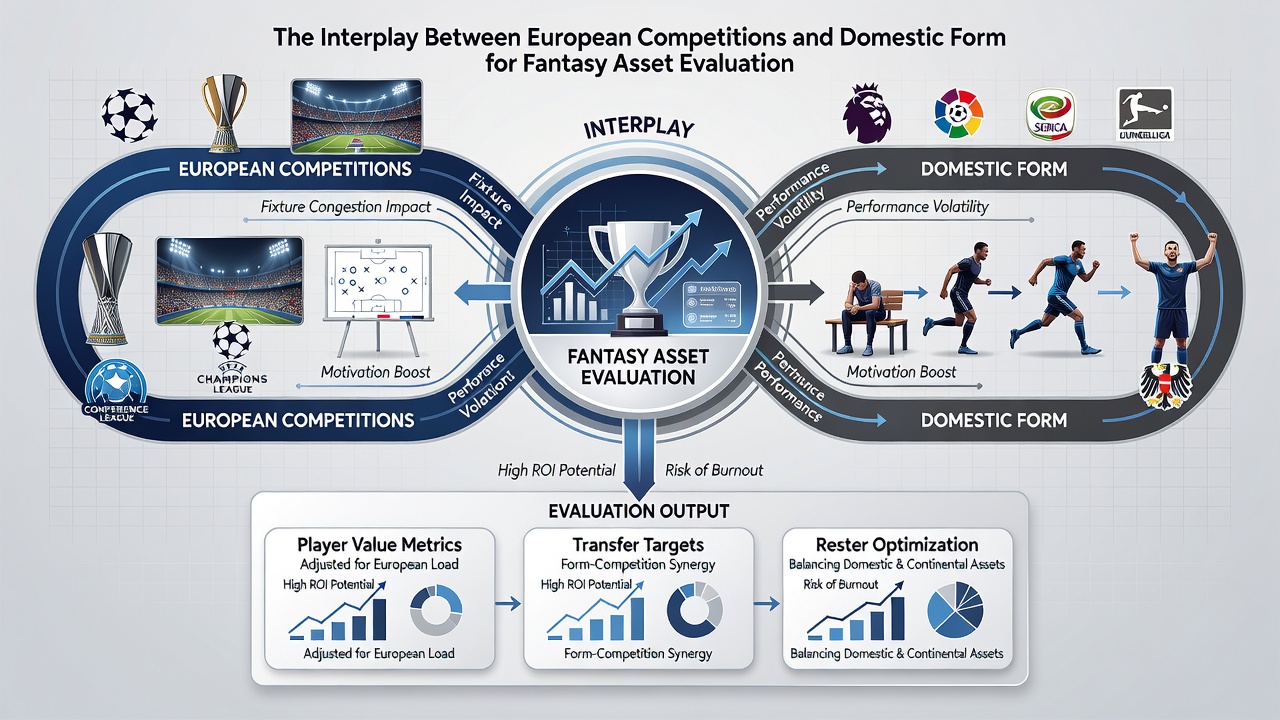
Rotation strategies vary by club philosophy, yet common threads emerge when examining historical datasets. Clubs with multiple attacking options tend to rest star players after European matches, while squads with thinner benches keep key assets on the pitch for domestic games. One case examined by a French research group tracked a forward whose league scoring rate fell from 0.6 goals per 90 minutes to 0.3 during a six-week European run in the 2024-25 season. Such examples illustrate why monitoring squad news from both competitions becomes essential for accurate evaluations.
Managerial Decisions and Squad Rotation
Managers balance European ambitions against domestic targets by deploying different lineups depending on opponent strength and fixture spacing. Evidence from broadcast statistics indicates that teams leading their European groups rest more players for league games than those fighting for qualification spots. This tactical flexibility creates opportunities for differential selections in fantasy formats, as lesser-used squad members step into starting roles and accumulate points during rotation cycles. Analysts compile these rotation tendencies into models that predict availability across both competitions.
Travel distance also factors into performance calculations, especially for clubs flying across time zones for away European ties. A Canadian university report on scheduling effects noted that teams traveling more than 1,500 kilometers midweek record lower expected goal values in their next domestic match. These travel-related variables add another layer to evaluations, prompting cross-checks against official fixture calendars released by governing bodies.
Long-Term Trends in Asset Evaluation
Season-long projections now incorporate expected European involvement as a standard variable when ranking players. Data sets covering the past decade demonstrate that assets from clubs with sustained European campaigns maintain steadier point outputs when rotation is anticipated in advance. Conversely, players from teams eliminated early from continental competitions often see increased minutes and improved domestic form in the second half of the season. Evaluators therefore adjust rankings dynamically as European results unfold.
October 2026 presents a typical snapshot of these dynamics, with several Premier League sides still active in multiple competitions while others focus exclusively on league survival. Historical comparisons show that teams eliminated from Europe by this stage improve their domestic points-per-game average by 0.4 over the subsequent months. Those shifts influence transfer strategies and captaincy choices for users tracking both competitions simultaneously.
Conclusion
European and domestic fixtures intersect in ways that directly affect player availability, workload distribution, and statistical output across leagues. Comprehensive evaluation frameworks combine data from both arenas to produce more precise projections than those based on league form alone. As governing bodies continue to refine calendars and clubs refine rotation policies, the interplay between competitions remains a core consideration for anyone assessing fantasy assets throughout the campaign.