Market Dynamics of Player Valuations in Fantasy Squad Planning
Petra Braun · Nov 8, 2026
Market Dynamics of Player Valuations in Fantasy Squad Planning
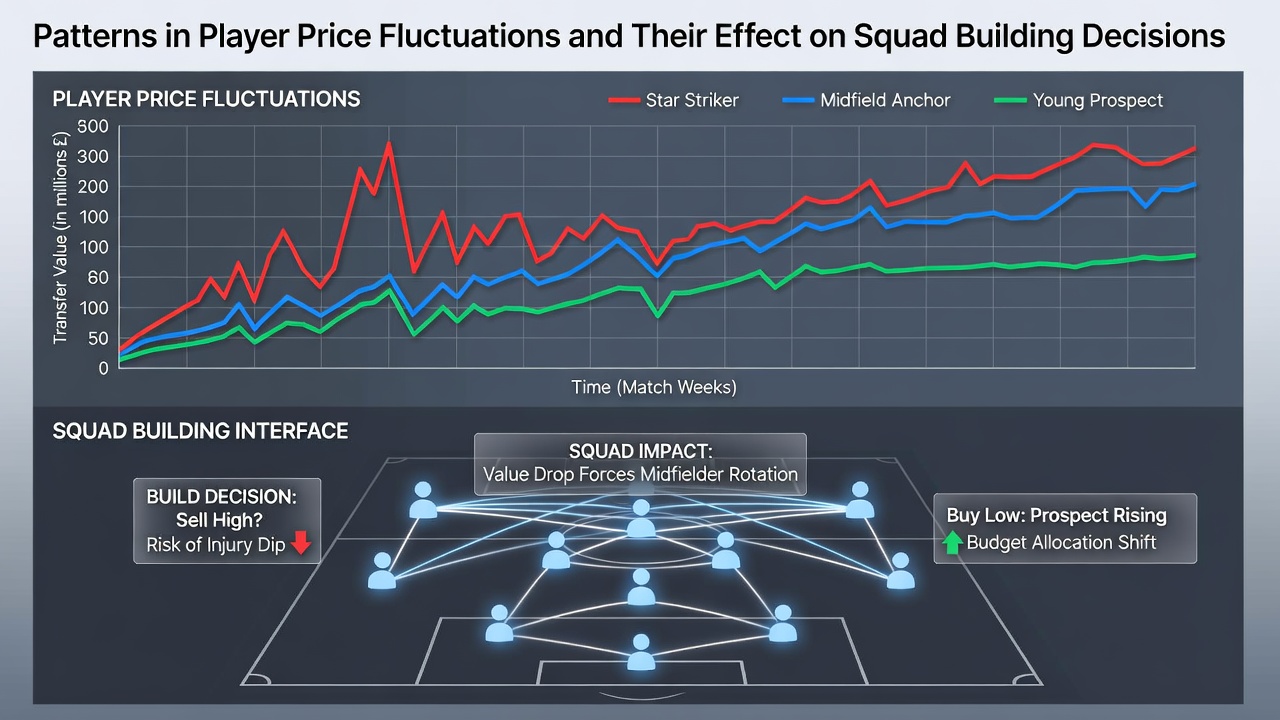
Player prices in fantasy football shift based on performance data, fixture schedules, and ownership percentages, creating patterns that squad builders track across seasons. These movements often follow predictable cycles tied to form streaks, injuries, and transfer windows, with data from the 2026/27 campaign showing pronounced rises for midfielders after strong November showings. Observers note that early season dips frequently occur for defenders who start with difficult fixtures, whereas attackers see quicker rebounds when goal tallies climb.
Recognizing Recurring Price Cycles
Price fluctuations typically cluster around key events such as international breaks and wildcard activations, where mass transfers drive values upward for in-form assets while others drop due to reduced minutes. Research indicates that players with consistent starts accumulate value faster in the first ten gameweeks compared to those rotating early, and figures from recent campaigns reveal average increases of 0.5 to 1.0 million for top performers during peak periods. Squad builders examine these trends to time acquisitions before spikes, using historical charts to identify assets likely to rise after favorable results.
November 2026 provided clear examples of post-international break surges, where several forwards gained value following double gameweeks that rewarded owners who held through the lull. Those who studied the data found patterns repeating from prior years, including sharp declines for players returning from injury who failed to hit expected minutes immediately. This cycle repeats because market reactions hinge on immediate output rather than long-term potential, allowing prepared managers to anticipate drops and secure replacements ahead of widespread reactions.
Influence on Transfer Timing and Chip Deployment
Squad decisions hinge on spotting when a price change will lock out an upgrade path or force a sale at a loss, which pushes builders to monitor ownership graphs and expected points models closely. Data shows that holding a rising player through a price jump can free up funds for later moves, while selling before a predicted fall preserves budget for defensive reinforcements. In practice, teams that planned around these shifts in the 2026 season maintained flexibility for bench boosts or triple captain calls during high-variance periods.
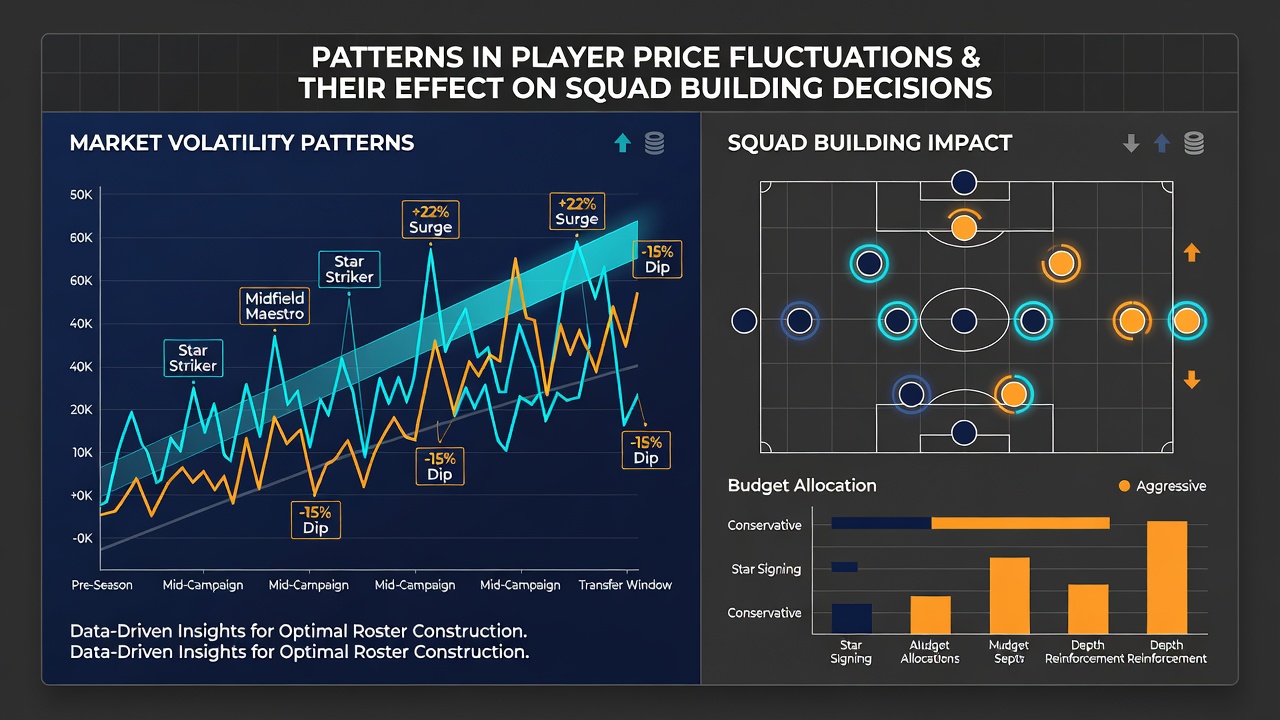
What's interesting is how these patterns intersect with chip usage, where free hit activations often coincide with price resets that reward temporary swaps for differential players. Builders who tracked fixture congestion data avoided overpaying for assets whose values peaked too early, preserving options for later double gameweeks. Evidence suggests that squads ignoring these valuation signals faced tighter budgets mid-season, limiting their ability to pivot when new information emerged from team news.
Case Examples from Recent Seasons
Take one forward who started the 2026 campaign with modest ownership yet posted back-to-back hauls in September, triggering a steady climb that continued into November. Those who added the player before the first rise benefited from both points and subsequent value gains that funded a key defender upgrade. Another case involved a midfielder whose price fell after a red card, only to recover once suspensions lifted and form returned, highlighting how timing sales during dips can minimize losses when the underlying data points to a rebound.
Patterns also emerge around wildcard periods, where mass changes amplify movements for popular targets and create opportunities for contrarian picks whose values stayed stable. According to a Statistics Canada analysis of fantasy sports participation, managers who balanced value tracking with points projections achieved more consistent squad upgrades across the campaign. This approach proves especially useful when multiple players from the same team experience simultaneous shifts due to collective form changes.
Long-Term Effects on Overall Squad Architecture
Repeated exposure to price volatility shapes how builders construct initial squads, favoring players with steady ownership bases that resist sharp swings. Data from academic reviews of fantasy league behaviors shows that diversified selections across positions reduce exposure to single-asset drops, while over-concentration in volatile attackers can constrain future transfers. Squads that incorporated buffers for expected fluctuations maintained higher average values heading into the spring run-in, when fixture lists tighten and rotation risks increase.
Yet the underlying driver remains performance correlation with minutes played, which researchers track through regression models to forecast likely trajectories. Builders who cross-reference these models with live ownership percentages gain edges in predicting when a rise will stall or accelerate based on upcoming schedules.
Conclusion
Price fluctuation patterns ultimately guide squad building by dictating when to buy, sell, or hold assets amid changing conditions. Teams that integrate valuation tracking with performance metrics sustain greater flexibility throughout the season, adapting to cycles without major disruptions. The 2026/27 data reinforces that systematic monitoring of these movements supports more stable progression from opening gameweeks to final standings.